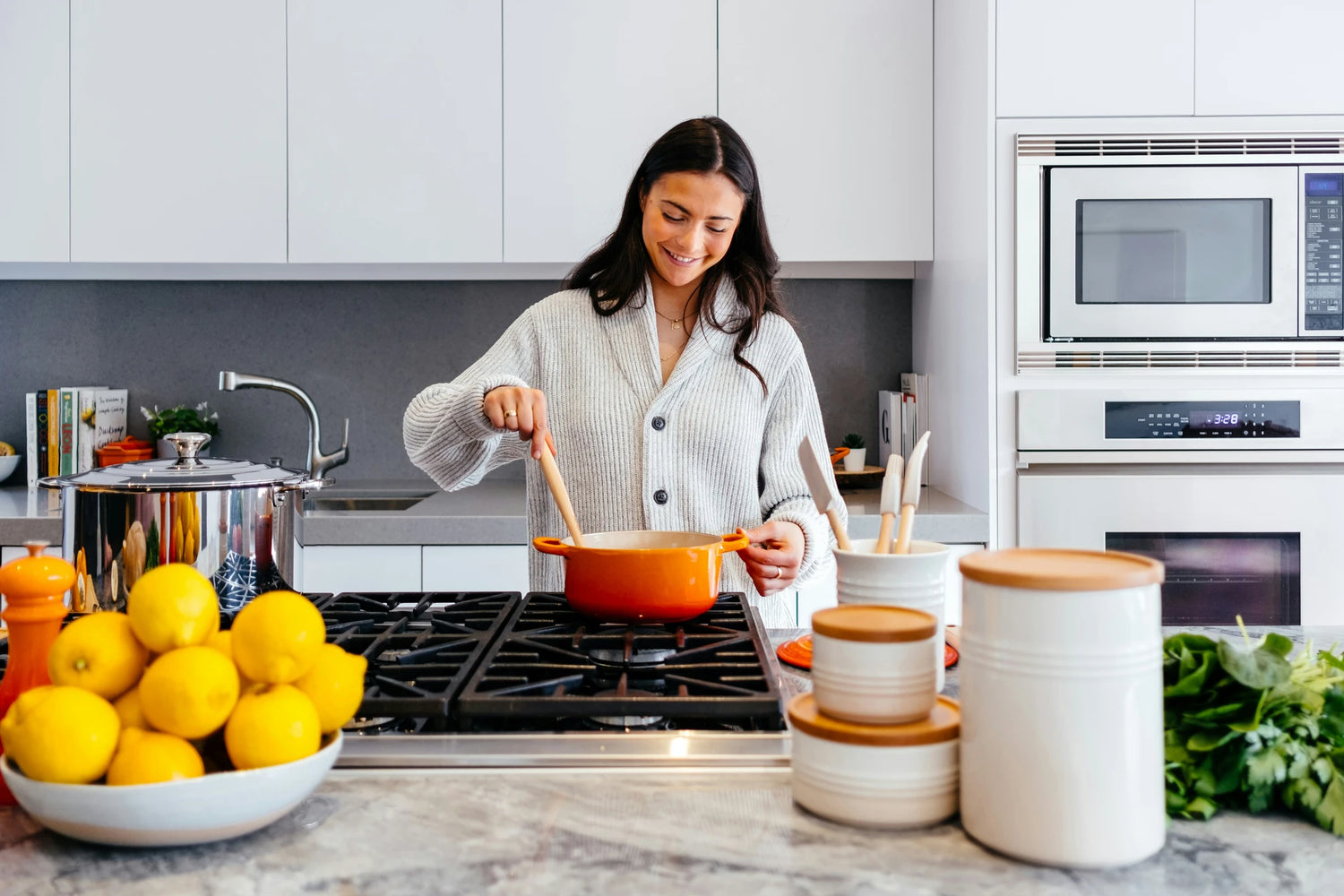

Every year on January 13, we celebrate National Gluten-Free Day. This day is about more than just dietary restrictions; it is a celebration of the creativity and resilience found in the modern kitchen today. For many, a gluten-free lifestyle is a medical necessity due to celiac disease or gluten sensitivity. For others, it is a personal wellness choice. Regardless of the reason, the goal is always the same: to enjoy delicious, satisfying meals that bring people together without the worry of illness. In this guide, we will explore how to master the art of inclusive meal planning and create a safe, vibrant environment for everyone at your table.
As we look at the evolution of home dining, the concept of the inclusive kitchen has become a cornerstone of hospitality. Inclusive meal planning means designing menus that everyone can enjoy, eliminating the need for "special" separate meals that can make guests feel isolated. This approach requires a bit of foresight and a deep understanding of ingredients, but the reward is a seamless dining experience where the focus remains on the company and the flavor. By focusing on naturally gluten-free whole foods like fresh produce, high-quality proteins, and ancient grains, you can create a menu that is sophisticated, healthy, and safe for all.
The modern kitchen has transformed into a hub of innovation where alternative flours and clever substitutions allow us to recreate classic favorites. When you are preparing for National Gluten-Free Day, it is helpful to start with a fresh perspective. Instead of focusing on what you are removing from your diet, focus on the incredible variety of ingredients you can include. From the nutty depth of buckwheat to the versatility of almond flour, the possibilities for flavorful exploration are endless.
Mastering the Art of Inclusive Meal Planning
The secret to successful inclusive meal planning lies in the preparation phase. If you are hosting a gathering or simply cooking for a household with mixed dietary needs, start by identifying "naturally safe" dishes. Mediterranean and Southeast Asian cuisines, for example, often rely on rice, beans, and fresh herbs, making them excellent choices for a gluten-free foundation. By centering your meal around these elements, you ensure that the bulk of the menu is accessible to everyone.
A significant challenge in many homes is the risk of cross-contamination. Maintaining a safe kitchen requires a dedicated strategy, especially if gluten-containing foods are still present for other family members. It is wise to have separate cutting boards, toasters, and wooden spoons, as porous surfaces can trap gluten particles over time. When everyone understands these boundaries, the cooking process becomes much more relaxed and enjoyable.
Inclusive planning also involves clear communication. If you are inviting guests over, it is a great practice to share the menu in advance. This builds trust and ensures that everyone feels cared for. You might even find that your guests are surprised to learn that a decadent chocolate torte or a savory risotto is entirely gluten-free. The goal is to prove that "free-from" cooking does not mean "flavor-free" cooking.
Essential Tips for a Gluten Free Kitchen Environment
To truly excel at home cooking for this celebration, you must audit your pantry and prep areas. Many hidden sources of gluten can lurk in seasonings, soy sauces, and even some brands of baking powder. Transitioning to a safe kitchen means reading every label and opting for certified products whenever possible. Keeping your workspace organized helps prevent accidental mix-ups during the heat of meal preparation.
One effective strategy is to transition the entire household to certain gluten-free staples. For instance, using only gluten-free tamari instead of traditional soy sauce or sticking to a high-quality gluten-free all-purpose flour for thickening sauces ensures that common ingredients remain safe for everyone. This simplifies the workflow in the kitchen and reduces the cognitive load of checking every single item every time you cook.
Beyond the ingredients, consider the tools you use. If you are serious about inclusive meal planning, investing in a dedicated gluten-free air fryer or toaster can make a world of difference. Labeling these items clearly helps guests or other family members respect the safety of the equipment. A well-organized kitchen is the foundation of a successful and stress-free National Gluten-Free Day celebration.
Delicious Recipes for Your Celebration
Transitioning from theory to practice is the best part of National Gluten-Free Day. These recipes are designed to be crowd-pleasers that just happen to be gluten-free. They focus on bold flavors and simple techniques that highlight the best of home cooking using your favorite Toastmaster appliances.
Herb Crusted Air Fryer Salmon with Asparagus
This recipe utilizes the Toastmaster 7.5 Quart Digital Air Fryer to achieve a perfectly flaky salmon with a crisp herb crust. The rapid air technology ensures the asparagus stays vibrant and tender-crisp.

Ingredients
- 4 salmon fillets (6 oz each)
- 1 lb fingerling potatoes, halved
- 1 bunch asparagus, trimmed
- 3 tbsp olive oil
- 2 tbsp fresh dill, chopped
- 1 tbsp fresh parsley, chopped
- 1 tsp garlic powder
- Salt and pepper to taste
- Lemon wedges for serving
Instructions
- Lightly coat the fingerling potatoes with 1 tablespoon of olive oil, salt, and pepper. Place them in the air fryer basket.
- Set the air fryer to 400°F and cook the potatoes for 10 minutes.
- While potatoes are cooking, mix the remaining oil, dill, parsley, and garlic powder in a small bowl. Brush this mixture over the salmon fillets and asparagus.
- Once the first 10 minutes are up, slide out the basket and place the salmon fillets and asparagus on top of or alongside the potatoes.
- Air fry at 400°F for an additional 10–12 minutes. The salmon should be opaque and flake easily with a fork.
- Serve directly from the basket with fresh lemon wedges for a bright finish.
Skillet Quinoa and Roasted Vegetable Power Sauté
The Toastmaster 12" Electric Skillet is perfect for this vibrant dish. It allows you to sauté the vegetables and toast the quinoa in one large, portable surface, making it an excellent centerpiece for inclusive meal planning.

Ingredients
- 1 cup quinoa, rinsed and drained
- 2 cups certified gluten-free vegetable broth
- 1 large sweet potato, finely diced
- 1 red bell pepper, sliced into strips
- 1 red onion, thinly sliced
- 2 cups baby spinach
- 1 tbsp olive oil
- For the dressing: 3 tbsp tahini, 1 tbsp lemon juice, 1 tsp maple syrup, water to thin.
Instructions
- Plug in the Toastmaster 12" Electric Skillet and set the temperature to medium-high (approx. 350°F).
- Add olive oil and sauté the sweet potato, bell pepper, and onion. Cover with the tempered glass lid for 5 minutes to allow the potatoes to soften.
- Push the vegetables to the sides and add the rinsed quinoa to the center. Toast for 2 minutes until fragrant.
- Pour in the vegetable broth. Reduce the heat to a simmer (approx. 225°F) and cover with the lid. Let it cook for 15–20 minutes until the liquid is absorbed.
- Stir in the baby spinach until just wilted.
- Whisk the dressing ingredients in a separate bowl and drizzle generously over the skillet before serving.
Slow Cooker Gluten Free Beef and Root Vegetable Stew
Using the Toastmaster 7 Quart Slow Cooker with Locking Lid ensures a deep, rich flavor development. The locking lid makes this a perfect dish to transport to a potluck or family gathering safely.

Ingredients
- 2 lbs beef chuck roast, cut into 1-inch cubes
- 3 large carrots, sliced
- 3 parsnips, sliced
- 1 lb baby yellow potatoes, halved
- 1 yellow onion, diced
- 3 cloves garlic, minced
- 4 cups certified gluten-free beef bone broth
- 2 tbsp tomato paste
- 1 tsp dried thyme
- 1 tsp dried rosemary
- 2 tbsp cornstarch (mixed with 2 tbsp water for a slurry)
- Salt and pepper to taste
Instructions
- Place the beef, carrots, parsnips, potatoes, onion, and garlic into the slow cooker.
- In a medium bowl, whisk together the beef broth, tomato paste, thyme, rosemary, salt, and pepper. Pour the mixture over the ingredients in the stoneware insert.
- Secure the locking lid with the integrated latches to seal in the moisture and heat.
- Set the digital timer to cook on Low for 8 hours or High for 4–5 hours.
- Thirty minutes before serving, stir in the cornstarch slurry to thicken the sauce.
- Once the beef is fork-tender, serve hot. The locking lid is especially helpful if you need to carry this hearty meal to an event!
National Gluten-Free Day is the perfect opportunity to embrace a more inclusive way of eating. By focusing on whole foods and maintaining a safe kitchen, you can create a dining experience that is welcoming for everyone. Inclusive meal planning is not just about dietary restrictions; it is about the love and care we put into the food we share with our friends and family. As you explore new recipes and refine your cooking techniques, you will find that a gluten-free lifestyle is full of flavor and possibility.
Ready to elevate your gluten-free game? Start by auditing your pantry and trying out one of the recipes above. Share your creations on social media to inspire others to join the inclusive meal planning movement!
Frequently Asked Questions
How can I prevent cross-contamination in a shared kitchen?
To prevent cross-contamination, you should use separate cutting boards, toasters, and utensils for gluten-free preparation. It is also essential to clean all surfaces thoroughly and store gluten-free ingredients in sealed containers above any items that contain gluten to prevent crumbs from falling into them.
What are some naturally gluten-free grains I can use for meal planning?
There are many wonderful grains that are naturally gluten-free, including quinoa, rice, buckwheat, millet, and sorghum. These can serve as the perfect base for any meal in your kitchen, providing variety and essential nutrients without the risk of gluten exposure.
How do I explain my gluten-free needs to others when dining out?
When dining out, it is best to be clear and polite with the staff about your medical needs. Ask specifically about how the food is prepared in the kitchen and inquire about shared fryers or communal prep spaces to ensure your meal remains safe and inclusive.
Can inclusive meal planning really be simple for a large family?
Yes, it can be very simple if you focus on "naturally" gluten-free meals like roasted meats, big salads, and rice-based dishes. By choosing recipes that everyone can eat, you save time in the kitchen and ensure that no one feels left out during family dinner.